June 22, 2026
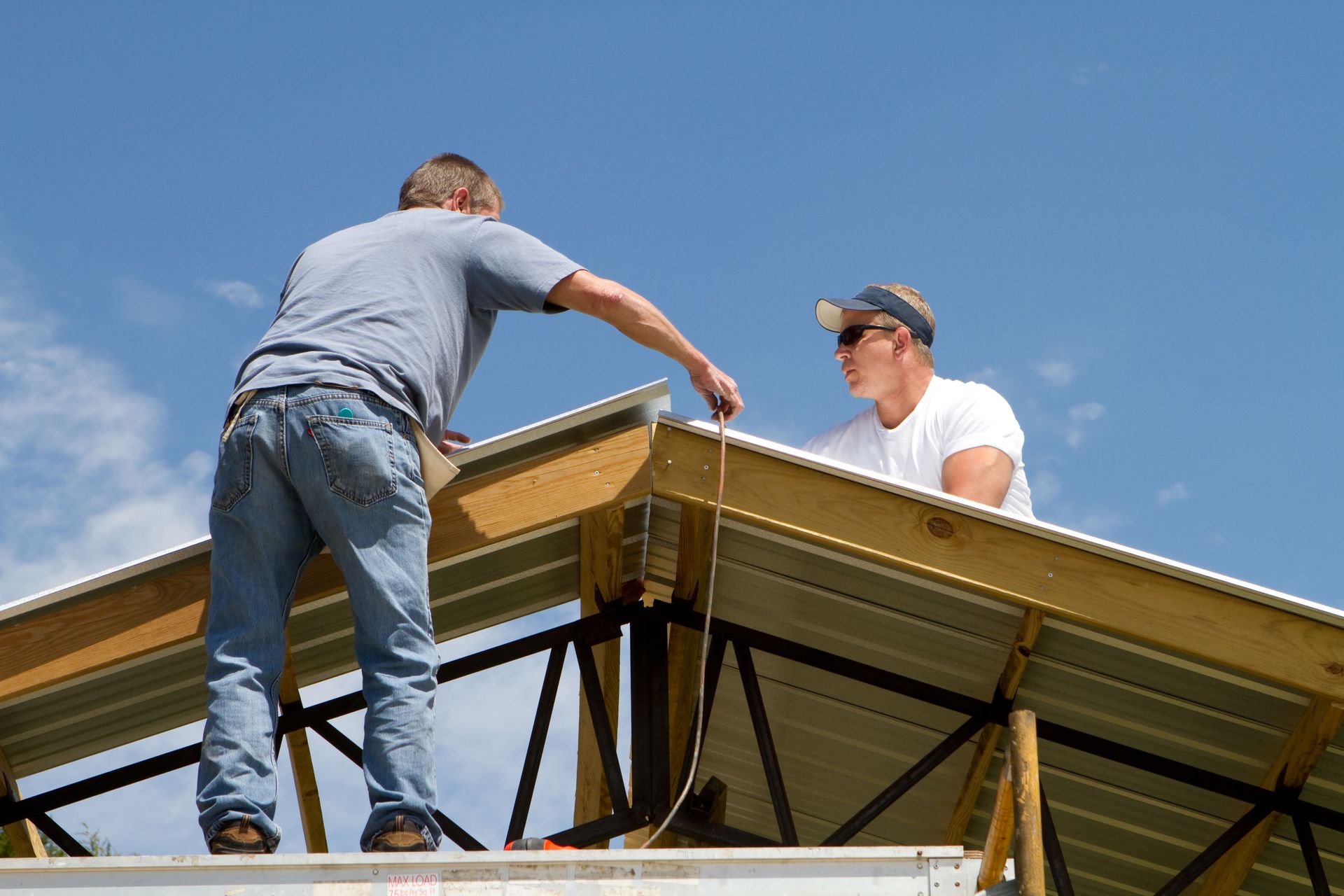
Pole barns serve many purposes, from agricultural storage and equipment housing to workshops and commercial spaces. They are often selected because of their versatility, open interior layouts, and ability to accommodate a wide range of uses. The quality of the structure often depends on the planning, materials, and construction methods used throughout the project. Choosing the right team can make a significant difference in how the building performs over time.
A well-planned building can provide years of reliable use while supporting changing needs and operational goals. Factors such as site conditions, material selection, communication, and long-term maintenance can all influence the final outcome. Before making a decision, it is helpful to understand the factors that can affect the construction process and long-term results. This article explores several important considerations when evaluating local pole barn builders and preparing for a successful project.
1. Reviewing Experience and Past Projects
One of the first things to consider is the builder's background and history with similar projects. Different structures may require different design approaches, site preparation methods, and construction techniques. Looking at previous work can provide insight into the quality of a company. Professional guidance can also help identify solutions that fit the intended use of the building. A team with experience across a range of applications may be better prepared to address challenges that arise during construction. Reviewing completed projects and discussing project goals can help determine whether a builder is a good fit.
2. Understanding Local Requirements
Construction projects are often influenced by local regulations, zoning rules, and permit requirements. These factors can vary between municipalities and may affect building placement, size limitations, and design considerations. Working with qualified professionals can help simplify the process of navigating these requirements. Local pole barn builders who are familiar with regional conditions and regulations may be better positioned to identify potential issues before construction begins. Early planning helps reduce delays and supports a smoother project timeline. Site inspections, setback rules, and documentation requirements may also play a role, making early coordination important when planning each phase of the project from start to finish. Clear communication with planning teams also helps confirm expectations and keeps each phase aligned with project goals throughout the construction process from early planning through completion.
3. Comparing Construction Approaches
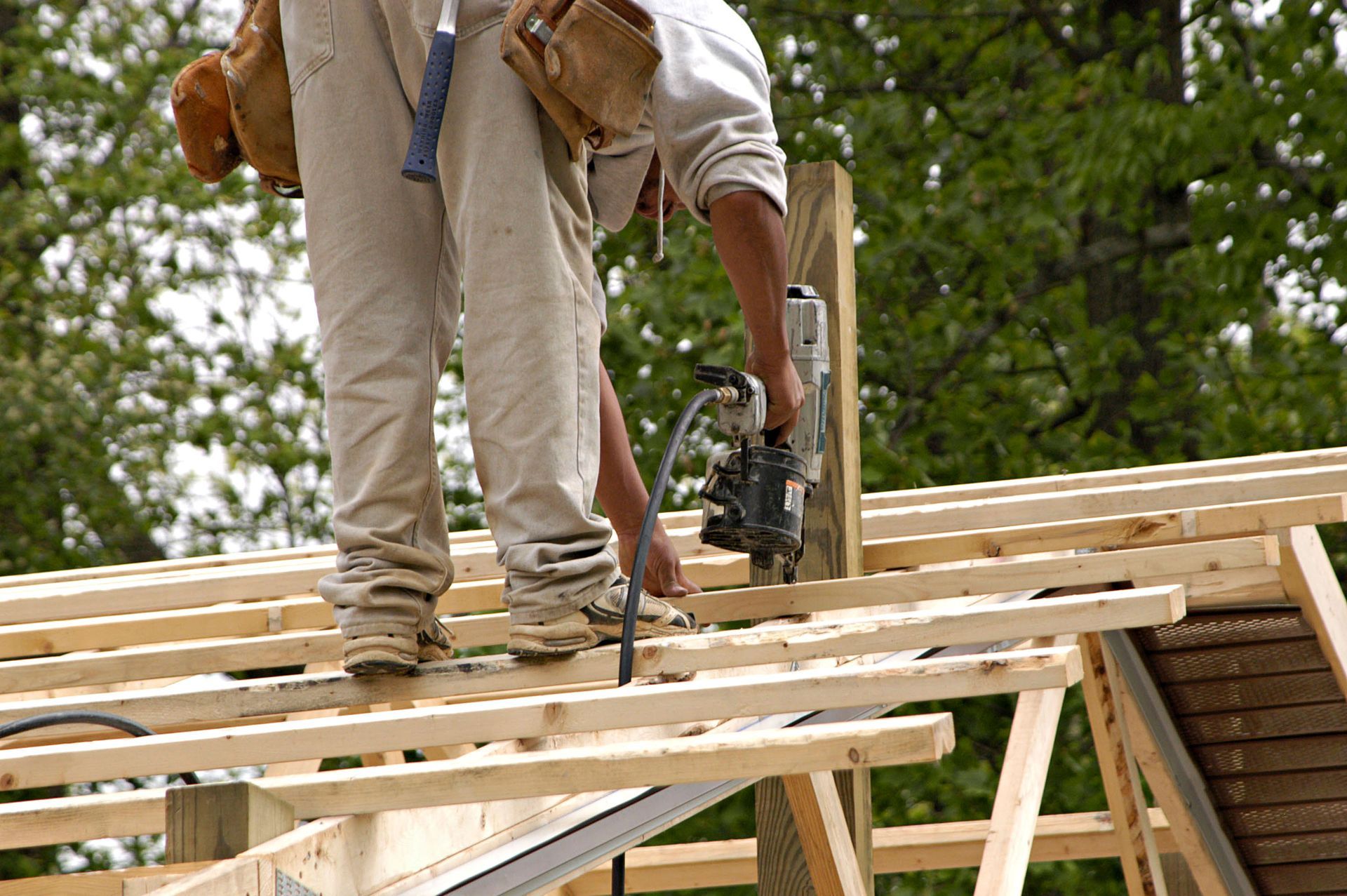
Not all builders use the same construction methods. Differences in site preparation, framing practices, and structural design can influence the durability and functionality of a completed building. Discussing construction approaches during the planning stage can provide a clearer understanding of what to expect. Professional consultation allows property owners to evaluate how different methods may impact maintenance needs, longevity, and overall performance. Comparing several options can help support a more informed decision. These differences can also influence how the structure handles weather exposure, interior space planning, and future expansion possibilities over time in practical use. Careful review of construction options also helps identify differences in material choices and design details that can affect long-term building performance outcomes and results.
4. Evaluating Material Quality
The materials used in a pole barn play a major role in how the structure performs over time. Structural components, roofing materials, fasteners, and insulation systems all contribute to the building's durability and comfort. Material quality can affect resistance to weather, moisture, and everyday wear. Seeking professional recommendations can help identify materials that align with the intended use of the building and local environmental conditions. Understanding what materials are being used and why they are selected can provide greater confidence in the project.
5. Considering Long-Term Maintenance
Every structure requires some level of maintenance throughout its lifespan. Understanding future maintenance needs before construction begins can help with long-term planning and budgeting. Insulation is one example of a component that may eventually require attention. According to HomeAdvisor, fiberglass pole barn insulation needs to be replaced every 25 years, or even sooner if exposed to water. This highlights the importance of discussing insulation options and moisture management during the planning process. Professional guidance can help determine which materials and construction practices may support longer-lasting performance. Maintenance considerations may also include roofing inspections, drainage management, and periodic evaluations of structural components. Planning for these needs early can help support the building's overall condition for years to come.
6. Reviewing Communication Practices
Clear communication is often one of the most important aspects of a construction project. From initial planning discussions to project updates, consistent communication helps keep expectations aligned throughout the process. When meeting with local pole barn builders, it can be helpful to discuss how project information will be shared and who will serve as the primary point of contact. Understanding communication practices can make it easier to address questions, schedule updates, and manage project milestones. A builder who provides clear explanations and timely responses can contribute to a smoother overall experience. Good communication often helps prevent misunderstandings and supports better coordination throughout construction.
7. Assessing Project Timelines
Construction schedules can vary based on project size, weather conditions, permitting requirements, and material availability. Understanding the expected timeline before work begins can help with planning and decision-making. Professional consultation can provide realistic expectations regarding project duration and potential scheduling factors. Asking questions about project phases, anticipated milestones, and possible delays can offer a better understanding of the construction process. While timelines may change due to circumstances beyond anyone's control, having a general schedule in place can help support a more organized project experience.
8. Comparing Costs and Project Value
Cost is often a major consideration when selecting a builder. While pricing is important, evaluating overall value can provide a more complete picture. The lowest estimate may not always reflect the same materials, construction practices, or project scope as other proposals. Reviewing estimates carefully can help identify differences between options. Professional guidance can clarify what is included in each proposal and explain how various factors may affect overall costs.
Local pole barn builders may offer different approaches based on project goals, site conditions, and building requirements. Comparing proposals carefully allows for a better understanding of what is being provided and how each option aligns with long-term objectives.
9. Planning for Future Needs
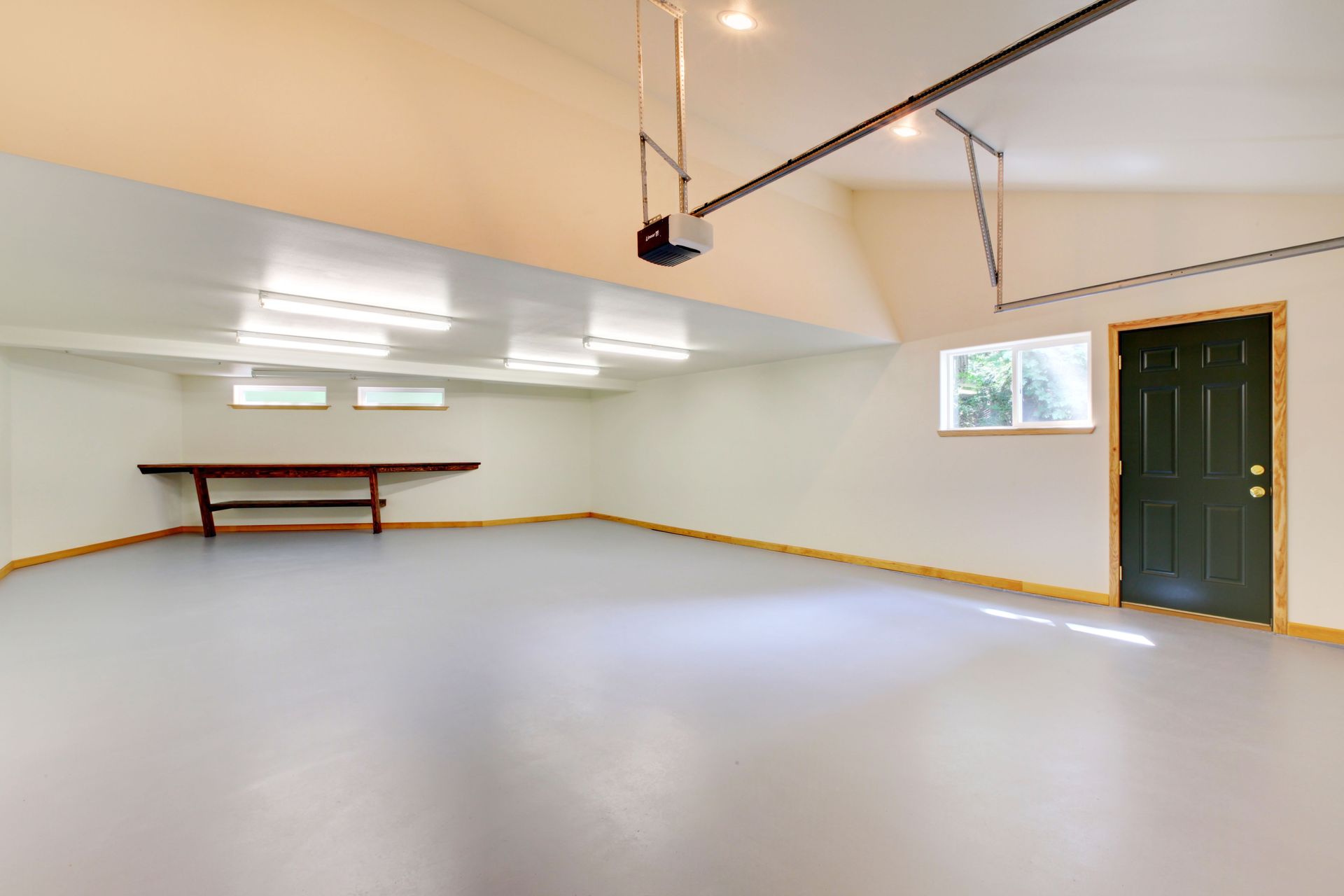
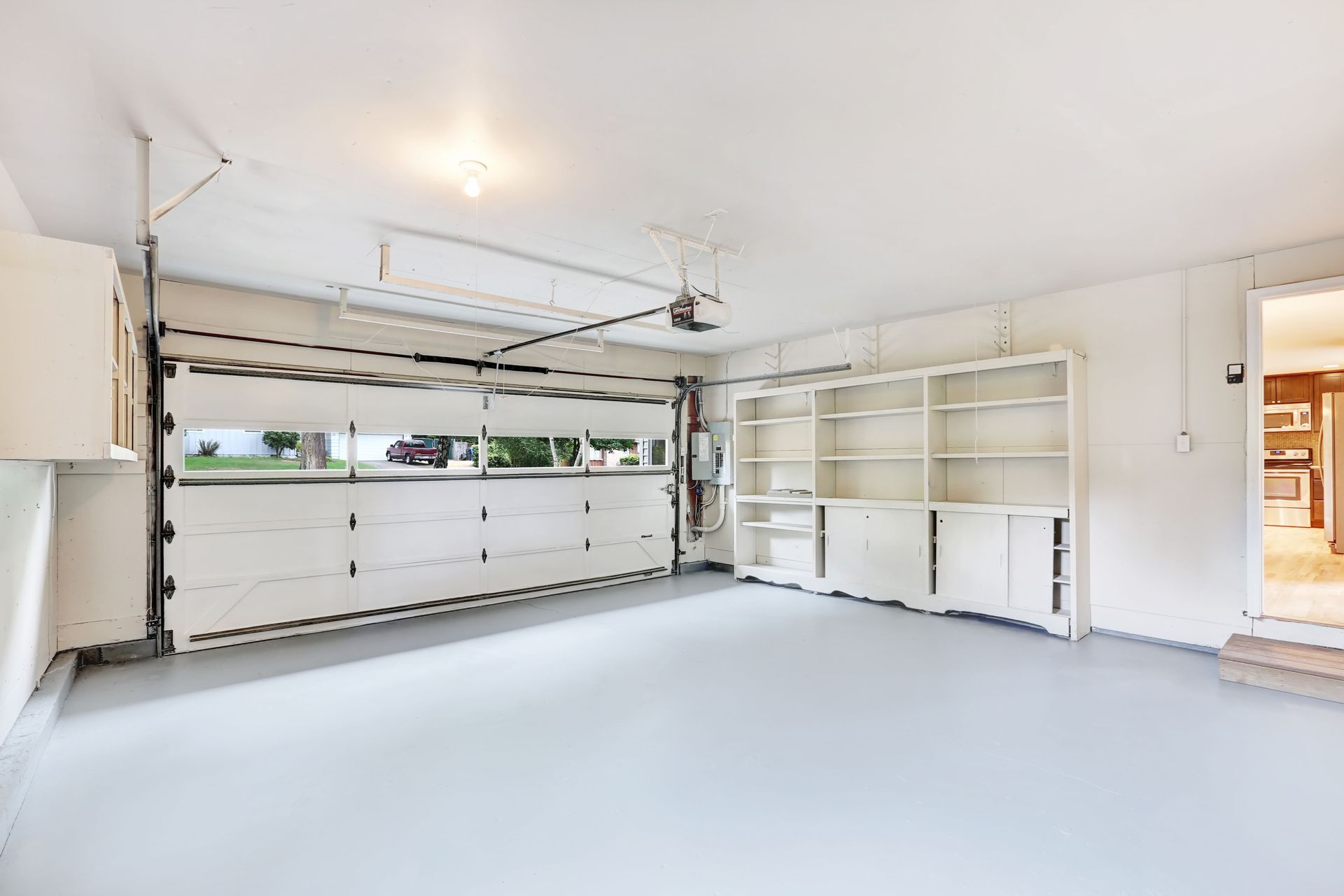
A pole barn may serve different purposes over time. Storage requirements can change, equipment needs may evolve, and businesses may expand. Considering future use during the planning stage can help create a building that remains functional for years to come. Professional planning discussions can help identify opportunities to accommodate future growth or changing needs. Factors such as building size, layout, accessibility, and utility considerations may all influence long-term usability. Thinking beyond immediate requirements can help maximize the value of the investment and reduce the likelihood of major modifications later.
Choosing among local pole barn builders involves more than comparing prices or project timelines. Experience, communication, material quality, construction methods, and long-term maintenance considerations all contribute to the overall success of a project. Site conditions and design flexibility may also influence outcomes in meaningful ways. Taking time to evaluate these factors can help support a smoother construction process and a structure that performs well over time. Professional guidance throughout planning and construction can also provide valuable insight when important decisions arise. Clear expectations set early in the process often lead to better coordination and more consistent results. For dependable guidance from local pole barn builders, contact Cochranville Pole Buildings today to discuss your project goals and explore options that fit your needs.